
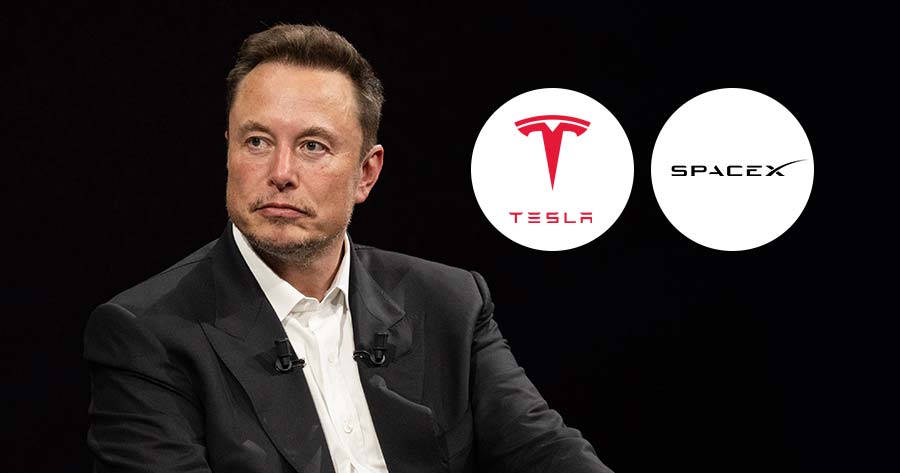
Table of Contents:
- Introduction
- Elon Musk’s Alleged Drug Use: An Overview
- Financial Implications for Tesla and SpaceX
- Investor Confidence and Market Reactions
- Regulatory Scrutiny and Government Contracts
- Impact on Leadership and Corporate Governance
- Public Image and Brand Perception
- Media Coverage and Public Discourse
- Legal Considerations and Potential Liabilities
- Comparative Analysis with Other Corporate Leaders
- The Role of Corporate Boards in Managing Executive Conduct
- Strategies for Crisis Management and Damage Control
- Long-Term Implications for Musk’s Ventures
- Lessons for Investors and Stakeholders
- Conclusion and Future Outlook
1. Introduction
Elon Musk, the visionary behind Tesla and SpaceX, has long been a polarizing figure. His recent alleged drug use has sparked widespread concern, not just about his personal well-being but also about the potential ramifications for his companies and investors. This article delves into the multifaceted impact of these allegations, examining financial repercussions, investor sentiment, regulatory challenges, and more.
2. Elon Musk’s Alleged Drug Use: An Overview
Recent reports from reputable sources, including The New York Times and The Wall Street Journal, have detailed Musk’s alleged consumption of various substances, such as ketamine, ecstasy, and psychedelic mushrooms. These allegations suggest a pattern of behavior that could have significant implications for his leadership and the companies he helms.
3. Financial Implications for Tesla and SpaceX
The stock market is highly sensitive to executive behavior, especially when it involves high-profile figures like Musk. Allegations of drug use can lead to increased volatility in stock prices, as investors reassess the risk profile of the companies involved. Tesla’s stock price, for instance, has experienced fluctuations amid these reports, reflecting investor uncertainty.
4. Investor Confidence and Market Reactions
Investor confidence is paramount for publicly traded companies. Allegations against a CEO can erode trust, leading to sell-offs and decreased market capitalization. Institutional investors, in particular, may reconsider their positions, fearing long-term reputational damage and governance issues.
5. Regulatory Scrutiny and Government Contracts
SpaceX’s involvement in government contracts adds another layer of complexity. Allegations of drug use by its CEO could prompt regulatory bodies to scrutinize the company’s compliance with federal regulations, potentially jeopardizing existing and future contracts.
6. Impact on Leadership and Corporate Governance
Effective leadership is critical for innovation-driven companies. Allegations of substance abuse raise questions about decision-making capabilities and overall governance. Boards of directors may face pressure to implement stricter oversight or even consider leadership changes to safeguard the company’s future.
7. Public Image and Brand Perception
Musk’s personal brand is closely tied to Tesla and SpaceX. Negative publicity can tarnish the companies’ images, affecting customer loyalty and brand equity. In industries where public perception influences purchasing decisions, maintaining a positive image is crucial.
8. Media Coverage and Public Discourse
The media plays a significant role in shaping public opinion. Extensive coverage of Musk’s alleged drug use has fueled debates about corporate responsibility and the influence of tech leaders. This discourse can impact consumer behavior and investor sentiment. (The Daily Beast)
9. Legal Considerations and Potential Liabilities
Allegations of illegal drug use by a CEO can lead to legal challenges, including investigations and lawsuits. Companies may face liabilities if it’s determined that they failed to address known issues, potentially resulting in financial penalties and reputational harm.
10. Comparative Analysis with Other Corporate Leaders
Comparing Musk’s situation with other executives who faced similar allegations can provide insights into potential outcomes. Historical precedents show that such controversies can lead to leadership changes, stock price declines, and long-term brand damage.
11. The Role of Corporate Boards in Managing Executive Conduct
Boards have a fiduciary duty to act in the best interests of shareholders. In situations involving executive misconduct, boards must navigate complex decisions, balancing loyalty to leadership with the need to protect the company’s integrity and financial health.
12. Strategies for Crisis Management and Damage Control
Effective crisis management involves transparent communication, swift action, and strategic planning. Companies must address allegations head-on, implement corrective measures, and reassure stakeholders to mitigate damage and restore confidence.
13. Long-Term Implications for Musk’s Ventures
Beyond immediate financial impacts, these allegations could affect Musk’s long-term ventures, including future projects and partnerships. Stakeholders may demand greater oversight and accountability, influencing the trajectory of his enterprises.
14. Lessons for Investors and Stakeholders
This situation underscores the importance of due diligence and active engagement by investors and stakeholders. Monitoring executive behavior and advocating for robust governance structures are essential for safeguarding investments.
15. Conclusion and Future Outlook
The allegations against Elon Musk serve as a stark reminder of the intricate link between executive conduct and corporate health. As investigations unfold, the responses from Tesla, SpaceX, and their stakeholders will shape the companies’ futures. Vigilance, transparency, and proactive governance will be key in navigating this challenging landscape.
FAQs:
- What are the main allegations against Elon Musk?
- Reports suggest Musk has engaged in the use of substances like ketamine, ecstasy, and psychedelic mushrooms, raising concerns about his leadership and decision-making.
- How might these allegations affect Tesla and SpaceX financially?
- Potential impacts include stock price volatility, investor sell-offs, and increased scrutiny from regulators, which could affect contracts and partnerships.
- What actions can corporate boards take in such situations?
- Boards can initiate independent investigations, enforce stricter oversight, and, if necessary, make leadership changes to protect the company’s interests.
- How important is public perception in this context?
- Public perception is crucial, especially for consumer-facing brands. Negative publicity can lead to decreased sales and loss of customer trust.
- What steps can companies take to manage such crises?
- Implementing transparent communication strategies, taking swift corrective actions, and reinforcing governance structures are vital for effective crisis management.